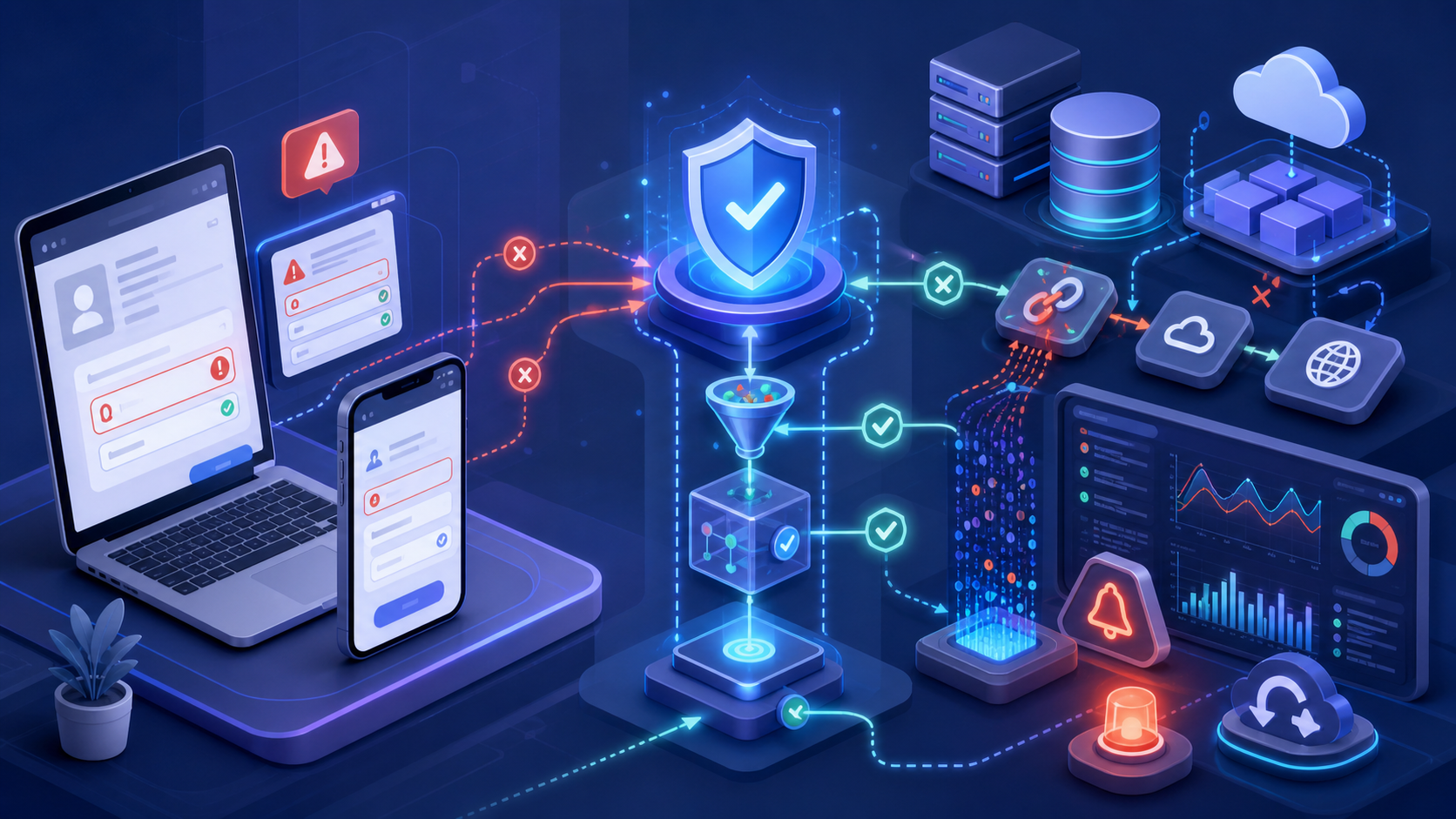
Error handling is not just about catching exceptions. In real-world applications, it is a full-stack design concern that affects user experience, backend reliability, security, debugging, and production resilience. This article explores how to handle errors from user input to backend failures, and how to design safer, clearer, and more maintainable error-handling flows.
If AI can solve logical problems, write code, and give answers quickly, what happens to human learning? A personal reflection on AI, coding, and the importance of still understanding the work.
Why does fortune-telling so often feel accurate? Perhaps not only because ancient people were good at observing patterns in life, but because the ancients were us, and we are the ancients: shaped by similar instincts, survival pressures, and the same desire to catch a piece of luck within a finite life.
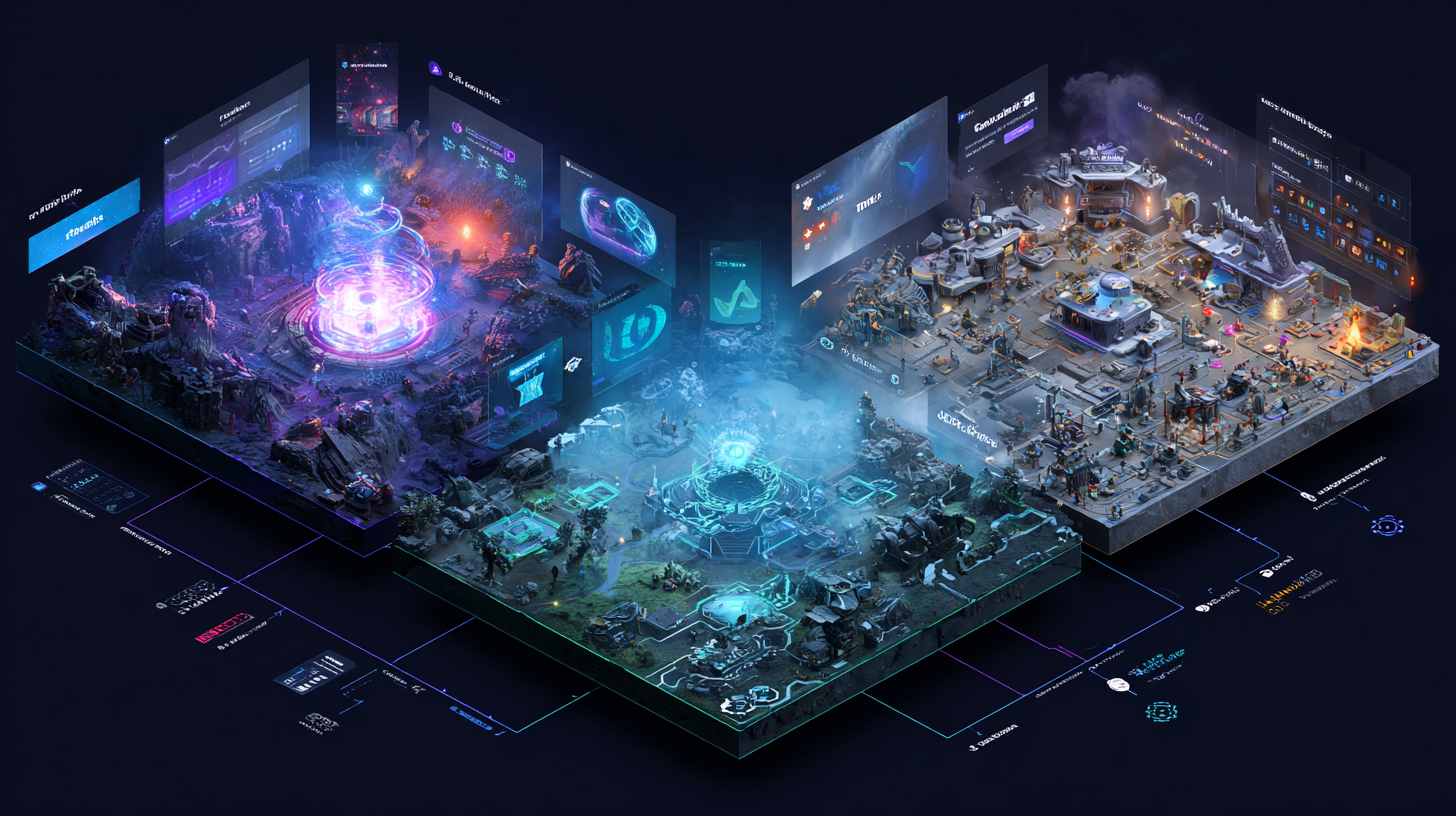
Although game applications, Web2 applications, and Web3 applications all follow the same software development lifecycle, the engineering mindset behind each stage is very different. In this article, I use Web2 as the baseline, then walk through how games and Web3 change the priorities, constraints, risks, and trade-offs across requirements, design, development, testing, deployment, and monitoring.
AI can generate plans, code snippets, and polished roadmaps in seconds—but it doesn’t automatically carry the consequences: integration constraints, security, testing, deployment, and long-term maintenance. That’s how “AI confidence + 0 accountability” shows up in real projects: timelines that sound convincing, scope that quietly assumes away the hard parts, and prototypes that get mistaken for production. The antidote is simple: confirm features first, lock an MVP scope, write acceptance criteria, then design the system and implement.
Life looks like it’s doing something impossible: building order while everything else drifts toward disorder. Schrödinger called this intuition “feeding on negative entropy,” but the real story is more precise—and more beautiful. Living organisms don’t break the Second Law of Thermodynamics; they work with it. As open systems, we maintain local structure by importing low-entropy resources—food, oxygen, sunlight—and exporting even more entropy to the environment as heat, waste, and diffusion. What we call “fighting entropy” is really the daily cost of maintaining gradients, repairing molecular damage, and preventing our bodies (and our lives) from sliding into the default state: harder to manage, harder to restore.